

Quick answer
Vimy Ridge is known for the April 1917 battle in which all four divisions of the Canadian Corps fought together for the first time and took the escarpment, and for the Canadian National Vimy Memorial that commemorates it. Entry to the memorial grounds and visitor centre is free (0 EUR). Guided tunnel and trench tours run seasonally and depend on staffing.
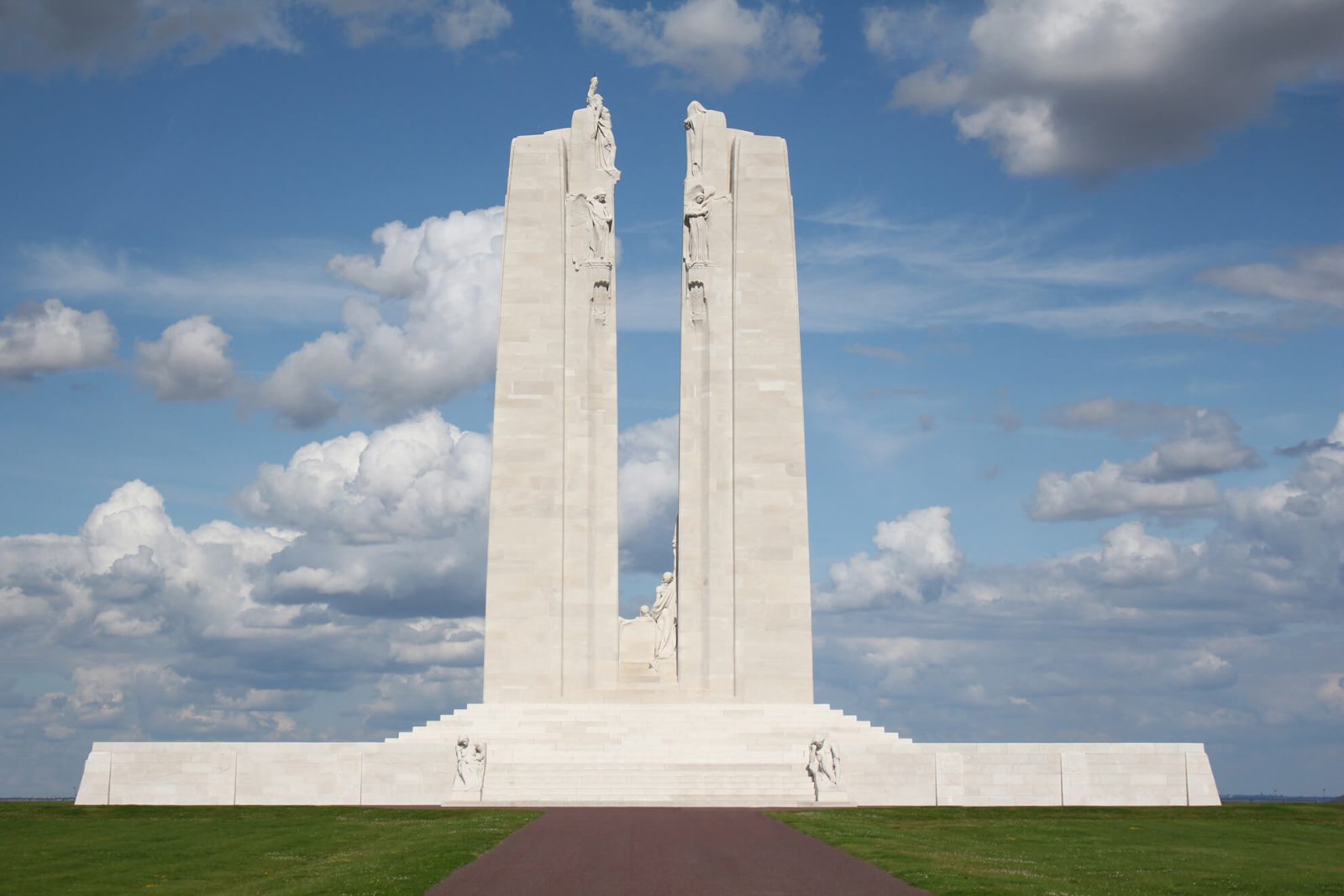
The craters came first. Long before the assault of 9 April 1917, French and German engineers had been tunnelling under this escarpment and blowing charges beneath each other's positions, which is why the ground near the preserved trenches still dips and buckles like a frozen sea. Sheep graze the closed sections because unexploded ordnance makes mechanical mowing unsafe. That detail tells visitors more about what is vimy ridge known for than any plaque: this is not a landscaped park but a battlefield left deliberately unhealed. The four things people come for are distinct, and it helps to know which you want. The battle itself saw the Canadian Corps attack as a single formation for the first time, using the creeping barrage and platoon-level tactics rehearsed on taped-out ground behind the lines. The memorial, designed by Walter Allward and unveiled in 1936, rises from Hill 145 on 100 hectares granted to Canada in perpetuity by France; its twin pylons carry 11,285 names of Canadians killed in France with no known grave, and the figure of Mother Canada Mourning Her Fallen Sons looks east over the Douai plain. Below the pylons run the Grange Subway and the reconstructed forward trenches, where the opposing lines sit close enough to see clearly across. The visitor centre handles the interpretive material and the guided tunnel tours, staffed by Canadian student guides. Most people fold this into a wider circuit of the Vimy Ridge and Somme battlefields, and that framing matters. The Somme sites lie roughly an hour south and belong to 1916; Vimy belongs to 1917 and to a different national story. Neuville-Saint-Vaast, the Notre-Dame-de-Lorette necropolis and the Ring of Remembrance sit within a short drive, so an afternoon here is rarely an afternoon here alone. The memorial address is Chemin des Canadiens, 62580 Givenchy-en-Gohelle, and the site telephone is +33 3 21 50 68 68 if you need to confirm tunnel availability, which is not guaranteed and closes in poor weather. Anyone researching what is vimy ridge known for should plan around the guided elements rather than the monument, which is always accessible from the grounds. The tunnels are the constraint; the pylons are not. Arrive between 10:00 and 17:30 to reach the visitor centre while tour services are running, and treat the subway as the part of the visit worth building the day around.
“Sheep graze the closed sections because unexploded ordnance makes mechanical mowing unsafe — this is a battlefield left deliberately unhealed.”
Historical Significance: What Is Vimy Ridge Known For?
The ridge itself is a low chalk escarpment north of Arras, rising barely 145 metres at Hill 145. Its value was strategic, not scenic: from the crest, an observer sees the Douai plain and the coal country beyond. French forces attacked it through 1915 at a cost of roughly 150,000 casualties across the Artois offensives. British divisions took over the sector in 1916. Neither army held the summit. That accumulated failure is the first part of the answer to what is vimy ridge known for. On 9 April 1917, Easter Monday, all four divisions of the Canadian Corps attacked together for the first time under Lieutenant-General Sir Julian Byng, with Major-General Arthur Currie commanding the 1st Division. The preparation was methodical: eleven kilometres of subways cut through the chalk, 983 guns registered by flash-spotting and sound-ranging, relief maps issued down to platoon level, and a creeping barrage advancing 100 yards every three minutes. Three divisions reached their objectives by midday. Hill 145 fell on 12 April. Canadian losses were 3,598 killed and 7,004 wounded, and four Victoria Crosses were awarded. What is vimy ridge known for beyond the tactics is what came afterward. In 1922 France granted Canada 100 hectares of the ridge in perpetuity. Walter Seymour Allward's design was selected in 1921 from 160 entries; construction of the Canadian National Vimy Memorial ran from 1925 to 1936, using 6,000 tonnes of Seget limestone quarried in Croatia, with twin pylons rising 30 metres and 11,285 names carved for the Canadian dead with no known grave. King Edward VIII unveiled it on 26 July 1936 before some 50,000 pilgrims. A visitor today walks ground that was never cleared. Shell craters and mine craters remain under grass grazed by sheep, fenced because unexploded ordnance persists. The preserved trenches at the Grange sector show sandbag lines sixty metres apart; the Grange Subway runs beneath them. The Moroccan Division Memorial and Canadian Cemetery No. 2 sit within the park, and Allward's Mother Canada Mourning Her Fallen Sons still faces east toward the plain her sons crossed.
German forces seize the ridge in October during the Race to the Sea.
French offensives in Artois fail to hold the crest at heavy cost.
British divisions take over the Vimy sector from the French army.
The Canadian Corps attacks with all four divisions for the first time.
Hill 145, the highest point of the ridge, falls to Canadian troops.
France grants Canada 100 hectares of the ridge in perpetuity.
Walter Allward's memorial is built from Seget limestone.
King Edward VIII unveils the memorial before some 50,000 people.
Notable Landmarks and What Is Vimy Ridge Known For
The Vimy Ridge site is recognized for its prominent national memorial and the extensive preservation of its original First World War battlefield landscape. Visitors can explore a terrain defined by restored trench lines and cratered ground that remains largely unchanged from the conflict.
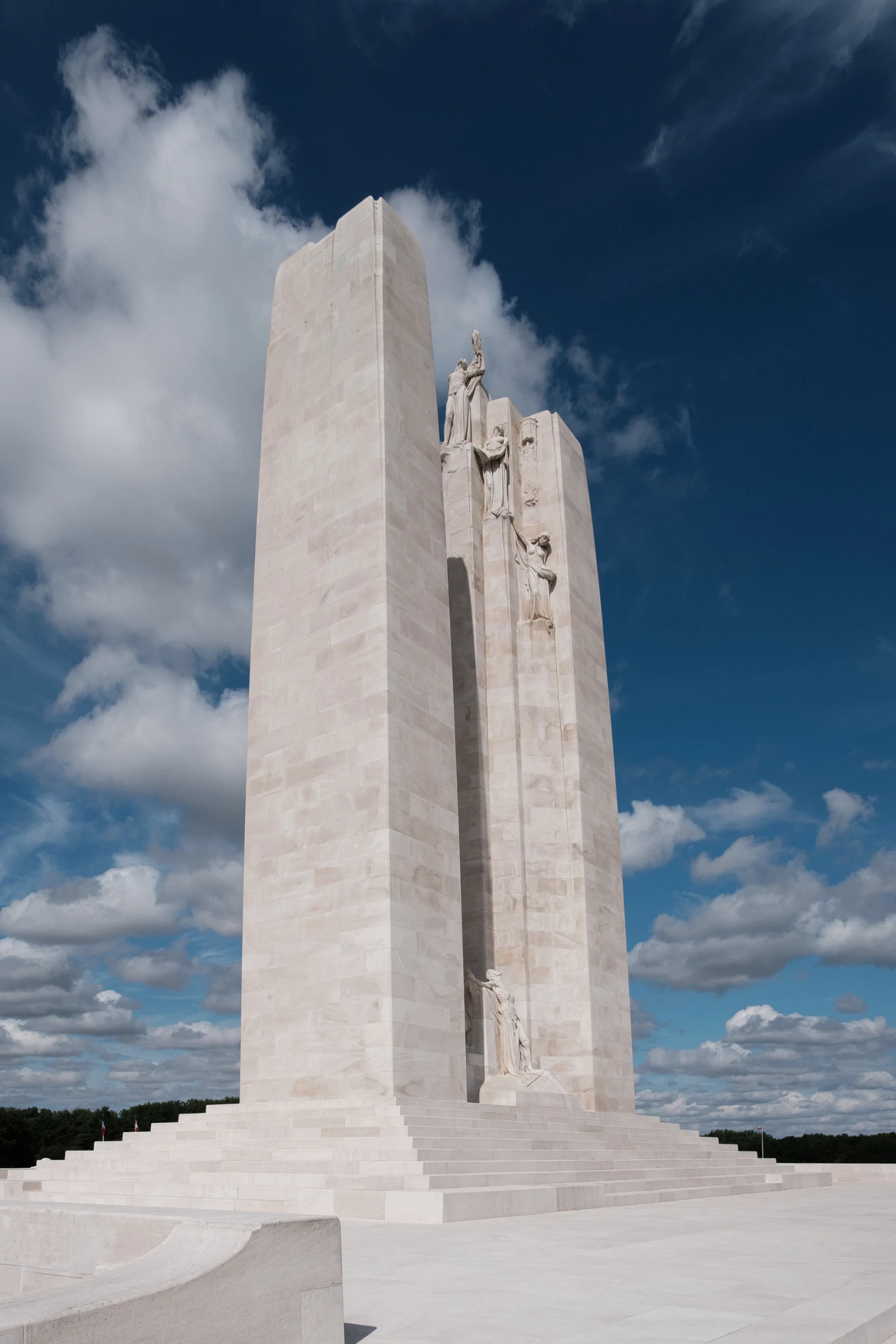
Canadian National Vimy Memorial
This monument features two limestone pylons and 20 symbolic sculptures carved into stone brought from Croatia. It serves as the primary focal point of the site, honoring those who served and fell.
Walk behind the pylons for a clear view of the Douai Plain.
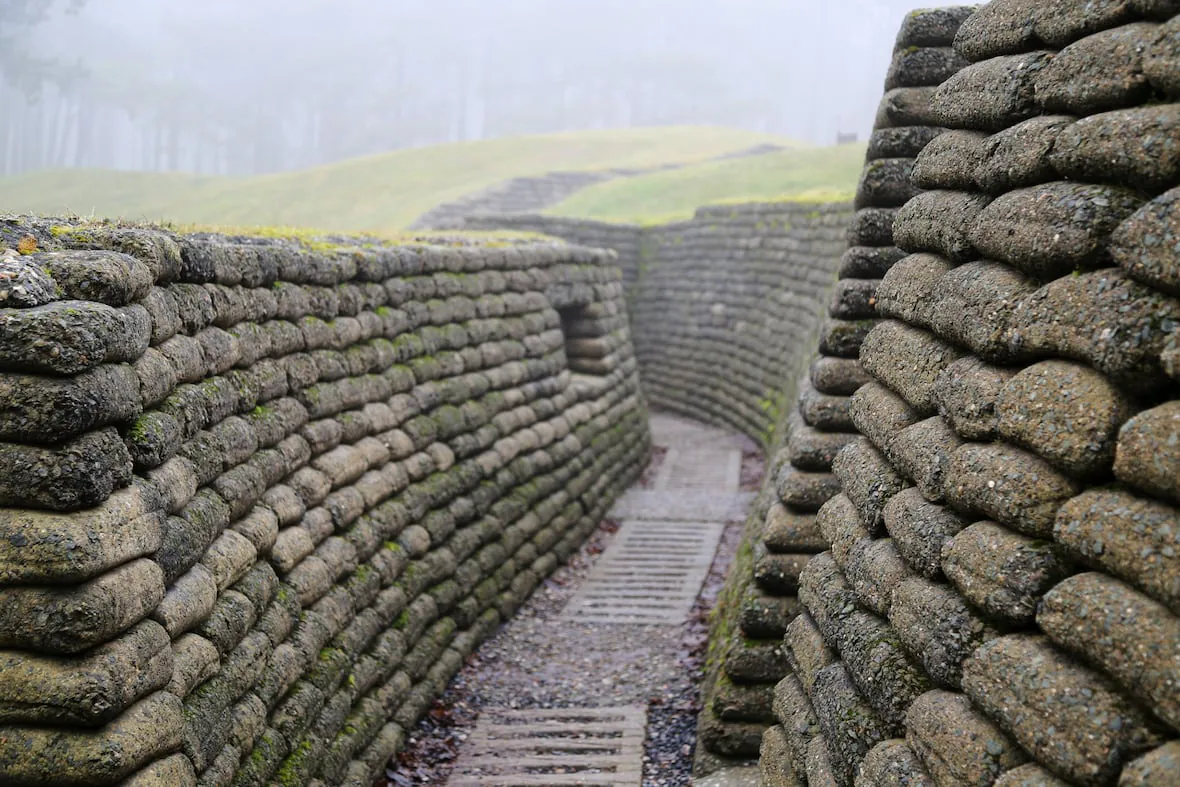
Preserved Trench Lines
These reconstructed front-line positions allow visitors to walk through sections of the Canadian and German trench systems. The proximity of the opposing lines highlights the physical conditions faced by soldiers.
Walk the gravel paths to see the narrow distance between trenches.
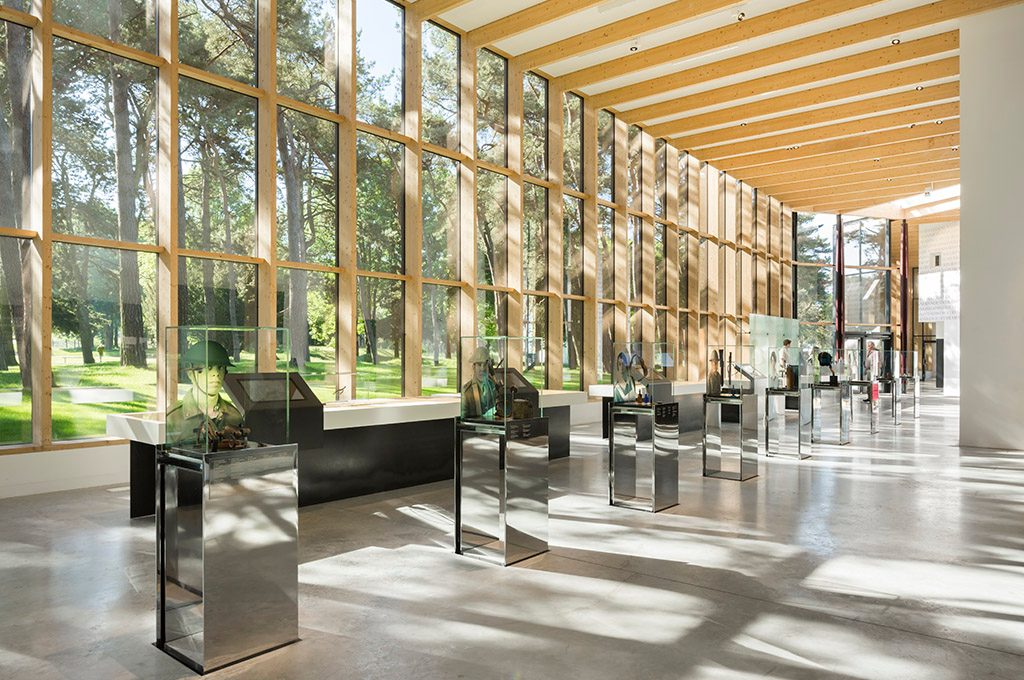
Vimy Visitor Education Centre
This facility provides historical context and artifacts that detail the scale of the 1917 operation. It serves as an introductory point before touring the outdoor grounds.
Visit before heading to the memorial for better historical context.
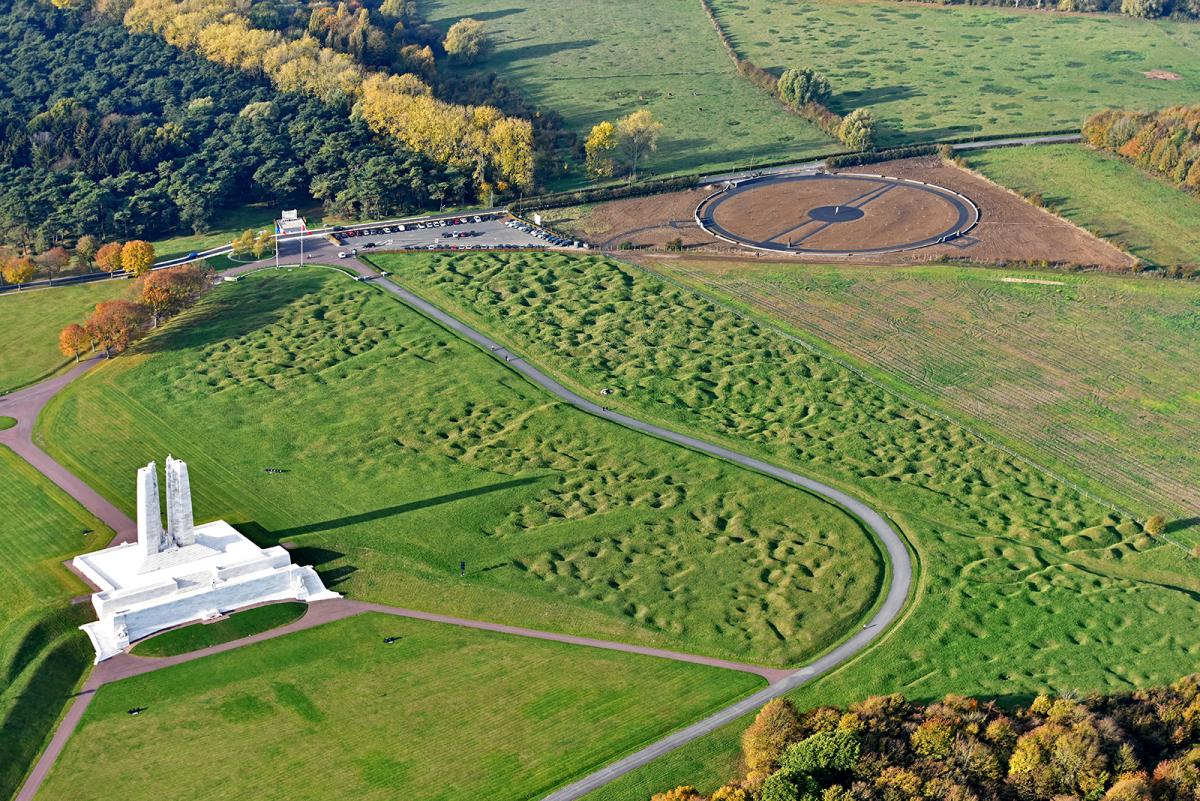
Cratered Battlefield Landscape
The surrounding parkland contains numerous shell holes and mine craters, preserved to maintain the original texture of the terrain. The area remains fenced to ensure the safety of visitors and the protection of the land.
Scan the grassy fields to identify the distinct shell indentations.
When to Visit: What Is Vimy Ridge Known For Regarding Access?
The Vimy Ridge memorial grounds and visitor centre operate on a weekly schedule with extended hours from Tuesday through Sunday.
| monday | 12:00–18:00 | |
|---|---|---|
| tuesday | 10:00–18:00 | |
| wednesday | 10:00–18:00 | |
| thursday | 10:00–18:00 | |
| friday | 10:00–18:00 | |
| saturday | 10:00–18:00 | |
| sunday | 10:00–18:00 |
Admission Fees and What Is Vimy Ridge Known For in Budgeting
Access to the Canadian National Vimy Memorial is managed by Veterans Affairs Canada. Entry to the memorial grounds and the visitor centre is provided at no cost to the public.
The entry fee is 0 EUR for all visitors, meaning the primary costs associated with your visit involve travel and tour arrangements rather than site admission.
Getting to the Site and What Is Vimy Ridge Known For Navigation
The Canadian National Vimy Memorial is located at Chemin des Canadiens, 62580 Givenchy-en-Gohelle, France. Most visitors reach the site by car via the A26 or A1 motorways, which provide direct access to the region.
A1 or A26 motorway to Exit 7 (Vimy)
TGV to Arras Station
Arras Station to the memorial
Optimal Timing and What Is Vimy Ridge Known For Best Practices
To experience the Vimy Ridge memorial grounds with minimal congestion, visitors should aim for the best arrival window of 10:00–17:30. This timeframe balances access to the visitor centre services with a quieter atmosphere for exploring the battlefield landscape.
Weekday mornings
Minimal—
These hours offer the most peaceful opportunity to tour the site.
April and October
LowMild temperatures averaging 8–15°C
Spring and autumn provide comfortable conditions for walking the memorial grounds.
Summer months
HighWarm temperatures averaging 15–23°C
Peak tourism occurs during these months, leading to higher visitor density.
Verdict: The best time to visit is Tuesday to Thursday between 10:00 and 17:30 during the months of April or October.
Nearby Battlefields and What Is Vimy Ridge Known For Connection
Visitors often combine a trip to the Vimy Memorial with sites in the Somme region to gain a broader perspective of the First World War. These locations are reachable by vehicle and provide deeper context regarding the broader theater of operations.
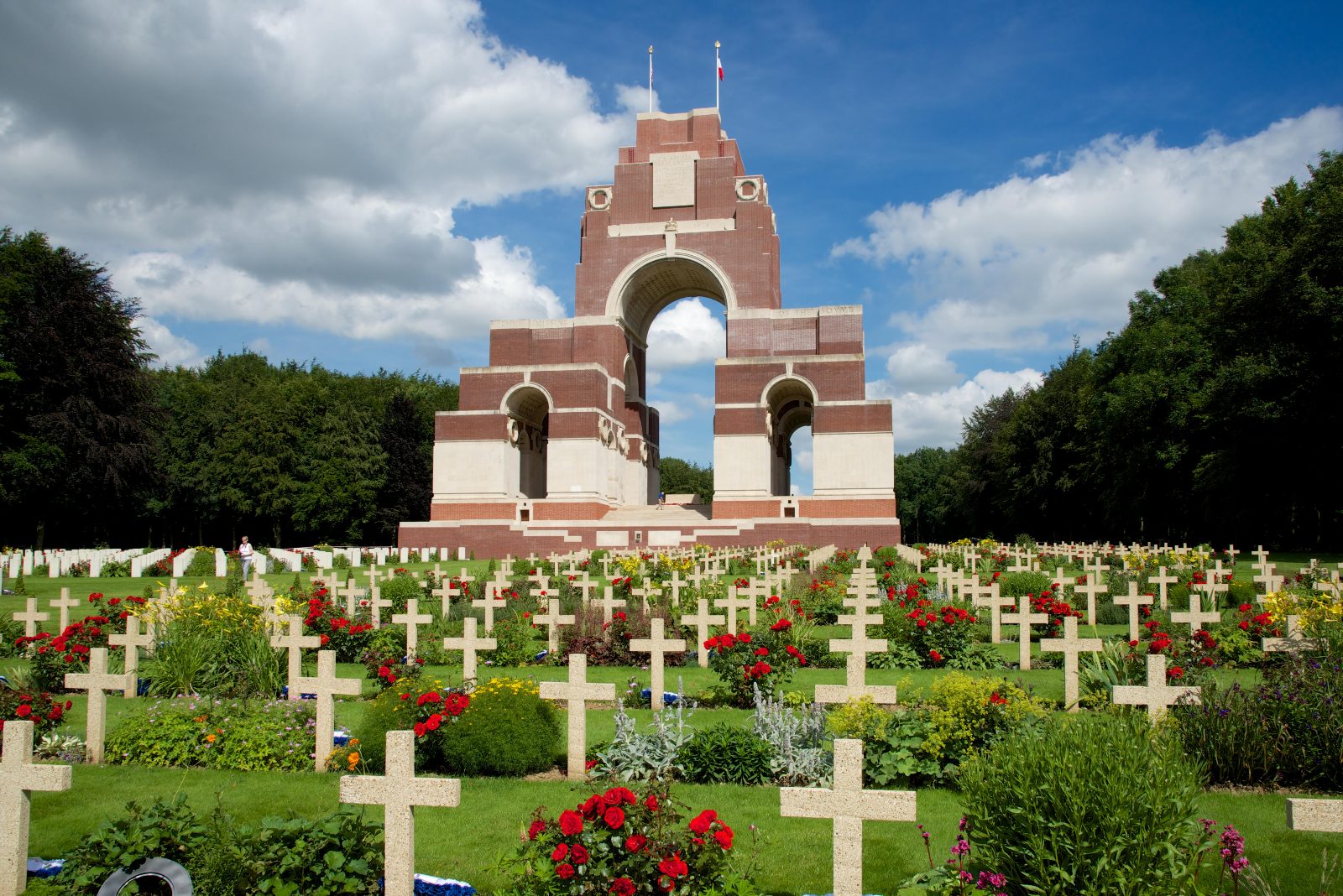
Thiepval Memorial
This monument honors the missing of the Somme and complements the Vimy site by representing the British and South African forces' experience.
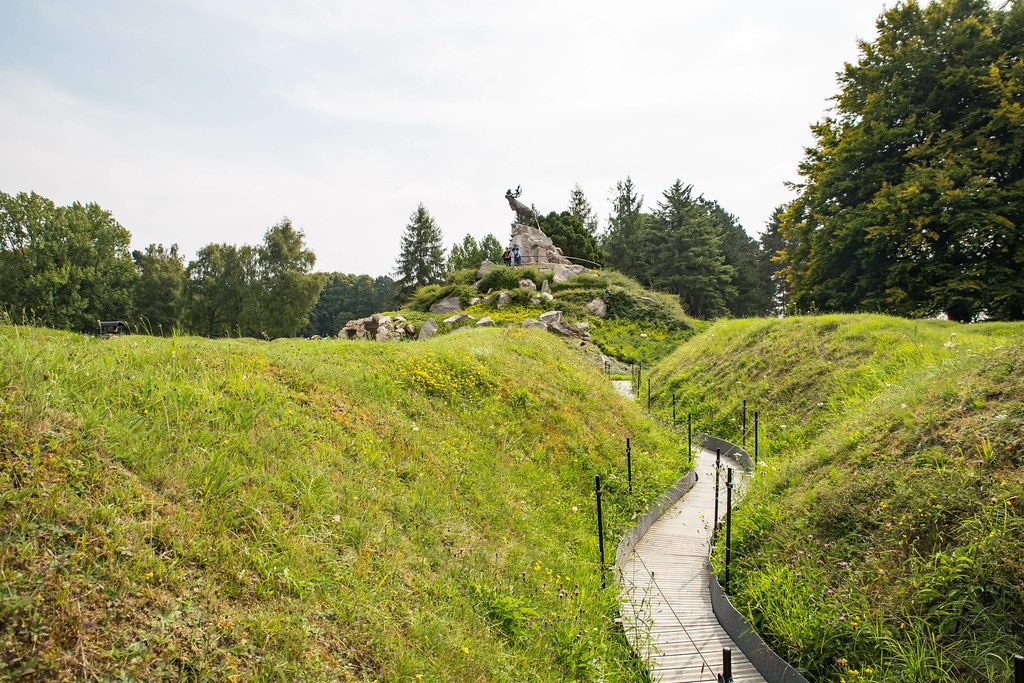
Beaumont-Hamel Newfoundland Memorial
Preserved trenches and shell-scarred landscape here offer a different perspective on the 1916 Somme offensive compared to the tunnels at Vimy.
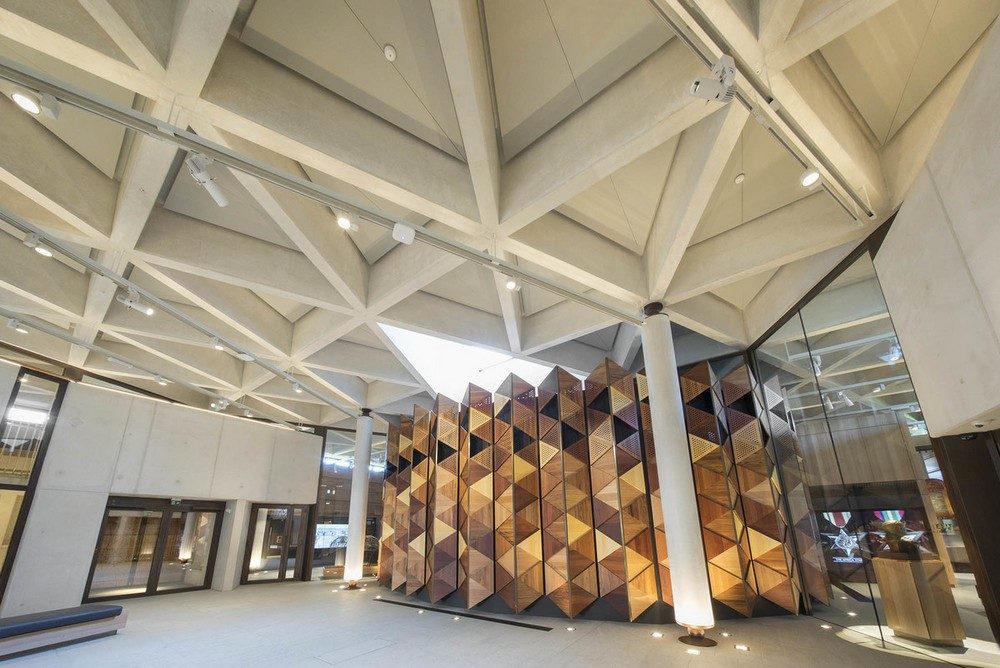
Sir John Monash Centre
Located at the Australian National Memorial, this center utilizes multimedia exhibits to explain the strategic evolution of the war in this sector.
Check availability
Common Questions About Vimy Ridge and Its Significance
Everything you need to know about what is vimy ridge known for